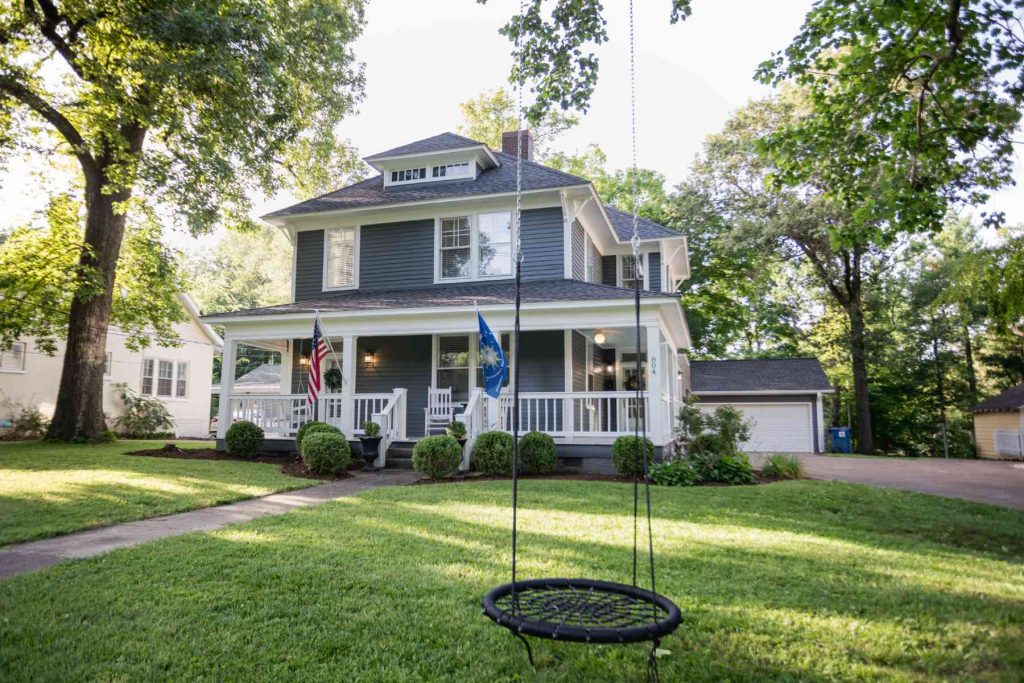
There’s something special about an older home.
Maybe it’s the original hardwood floors, the craftsmanship, the mature trees, or an established neighborhood where every house doesn’t look exactly alike. Sometimes it’s the opportunity to get more square footage or a larger yard than you might find in newer construction.
Here in Murray and Calloway County, we have plenty of homes that have been around for 30, 40, 50 years or longer. Some have been beautifully maintained and updated. Others might need a little attention.
And that’s not necessarily a bad thing.
The important question isn’t simply how old a home is. It’s how well that home has been maintained and what you need to know before buying it.
At Williams Property Group, we bring two different backgrounds to the home-buying process. Tracy has been helping buyers and sellers in Murray and Calloway County since 2005, while Keith has spent more than a decade working as a property insurance adjuster.
Between real estate transactions and years of evaluating property damage, we’ve developed an appreciation for the things buyers should look beyond during that first walkthrough.
We’re not home inspectors, and we don’t pretend to be. But we do believe that knowing the right questions to ask, recognizing when something deserves further investigation, and having reliable professionals available can make a tremendous difference.
If you’re considering an older home in Murray, Calloway County, or anywhere in Western Kentucky, here are seven things worth paying attention to.
1. The Roof: Don’t Judge It by Appearance Alone
One of the first questions buyers ask about an older home is, “How old is the roof?”
It’s a good question, but age is only part of the story.
A roof that’s 15 years old might still be in good condition, while a much newer roof could have problems caused by improper installation, storm damage, or poor workmanship.
Having worked in property insurance claims for years, Keith has seen how something that appears relatively minor can sometimes lead to much larger problems.
A missing shingle, damaged flashing, or a small opening around a roof penetration can allow water to enter areas that aren’t visible from the ground.
And just because a roof looks good from the driveway doesn’t mean everything underneath it is in good condition.
Buyers should ask about the roof’s age, previous repairs, and any known leaks. A qualified home inspector or roofing contractor can evaluate its condition and identify concerns.
There’s another consideration that buyers sometimes overlook: homeowners insurance.
Some insurance companies have specific underwriting requirements involving roof age, materials, and condition. A roof doesn’t necessarily have to be leaking to create an insurance concern.
Our advice: Don’t automatically rule out a home because it has an older roof, but don’t assume a roof is fine simply because it looks good. Find out what you’re buying and check with your insurance agent early.
2. Water Damage: The Real Question Is Whether the Problem Was Fixed
Water damage is something Keith has dealt with extensively during his insurance career.
And one of the biggest lessons from that experience is that repairing visible damage and correcting the source of the problem are two different things.
Imagine walking through a house and noticing a freshly painted ceiling.
There’s nothing wrong with fresh paint. Maybe the seller simply wanted to brighten the room.
But what if that ceiling had previously been damaged by a roof leak?
Was the roof repaired? Was any wet insulation removed? Were the affected materials properly dried or replaced?
Those are the questions that matter.
The same applies to water damage from plumbing leaks, overflowing appliances, or moisture entering around windows and doors.
A home can have a history of water damage and still be a perfectly reasonable purchase if the cause was corrected and the repairs were properly completed.
On the other hand, covering up a stain without addressing the underlying problem doesn’t make that problem disappear.
Buyers should review seller disclosures, ask about known previous leaks, and pay attention to unusual staining, soft flooring, musty odors, or other signs of moisture.
None of those things automatically means there’s a serious problem. They simply deserve an explanation and, when appropriate, professional evaluation.
Our advice: Don’t be afraid to ask about previous water damage. What matters most is understanding what happened, what was repaired, and whether the problem has been resolved.
3. Foundations, Crawlspaces, and Drainage: What’s Under the House Matters
When buyers walk into a home, their attention naturally goes to the kitchen, bathrooms, flooring, and overall layout.
We understand that. Those are the things you see and use every day.
But what you can’t easily see can be just as important.
Many homes in Murray and Calloway County have crawlspace foundations, and moisture underneath a home can become an expensive issue if it isn’t addressed.
Poor drainage, standing water, plumbing leaks, and excessive humidity can contribute to problems involving insulation, flooring, framing, and other building materials.
During a showing, we encourage buyers to pay attention to the property surrounding the house.
Does the ground slope toward the foundation? Are gutters and downspouts directing water away from the home? Are there low areas where rainwater might collect?
Inside, uneven floors, sticking doors, or cracks may deserve further evaluation.
That doesn’t mean every crack is a structural problem. Some are cosmetic, and older homes naturally experience movement over time.
The key is knowing when something requires a closer look.
A professional home inspector can evaluate visible conditions and recommend additional assessment by a qualified specialist when necessary.
Our advice: A beautiful kitchen won’t make up for a serious moisture or foundation problem. Make sure the inspection includes appropriate attention to the areas beneath and around the home.
4. Electrical Systems: Can the Home Handle Today’s Needs?
Think about how much electricity the average household uses today compared to 40 or 50 years ago.
We have larger appliances, multiple televisions, computers, charging devices, and all kinds of modern conveniences.
Some older homes have had their electrical systems updated over the years. Others may still have original wiring, older panels, or a combination of old and new components.
That’s not something buyers should ignore.
Certain electrical components and wiring methods may present safety concerns or create issues with insurance underwriting.
And while a home may have working lights and outlets, that doesn’t necessarily tell you whether the electrical system is properly installed or suitable for your needs.
If you’re considering an older home, ask whether the electrical system has been updated and whether previous improvements were completed by qualified professionals.
A licensed electrician should evaluate any significant concerns identified during the inspection.
Our advice: Don’t assume everything is fine just because the lights turn on. Understanding the condition of the electrical system is an important part of buying an older home.
5. Plumbing: Small Leaks Can Become Expensive Problems
Here’s something buyers don’t always think about.
A relatively small plumbing leak can sometimes cause thousands of dollars in damage before anyone realizes there’s a problem.
Keith has seen firsthand how water from a failed supply line, leaking connection, or other plumbing issue can affect flooring, cabinets, walls, and surrounding materials.
In an older home, buyers should ask about the age and condition of the plumbing system and whether any major repairs or replacements have been completed.
Some homes may have older supply or drain materials that warrant additional evaluation.
And if you’re looking at property outside Murray city limits, there’s another important consideration.
Not every property has the same water and wastewater systems.
Depending on the location, a home may have public water or a private well, and it may use public sewer or a septic system.
If you’re buying a home with a septic system, ask about its age, maintenance, and known issues. Consider arranging a separate septic inspection.
The same goes for a private well. Water quality and system condition may warrant testing and professional evaluation.
Our advice: Know what type of plumbing, water, and wastewater systems you’re purchasing. These aren’t always the most exciting parts of a house, but they can be among the most important.
6. Heating and Cooling: Will It Be an Expense Sooner Than You Expect?
Anyone who has lived in Western Kentucky knows our weather can keep a heating and cooling system busy.
We have hot, humid summers, cold winter days, and plenty of temperature swings in between.
A home’s HVAC system is a major component, and replacing it can represent a significant expense.
But once again, age doesn’t tell the entire story.
An older system that has been regularly maintained may still be operating well. A newer system that hasn’t been maintained properly can have problems too.
Buyers should ask about the age of the equipment, maintenance history, and any known recurring issues.
It’s also worth considering the home’s insulation, windows, and overall energy efficiency.
An older house might have a perfectly functioning HVAC system but still cost considerably more to heat and cool than expected.
When available, reviewing past utility bills can help buyers develop a more realistic understanding of operating expenses.
Of course, utility costs will vary depending on weather, household size, and personal habits.
Our advice: Don’t focus only on whether the heating and air conditioning work today. Think about their condition, expected maintenance, and the possibility of future replacement.
7. Homeowners Insurance: Don’t Wait Until the Last Minute
This is one of the biggest things we want buyers to take away from this article.
Get your homeowners insurance questions answered early, not a few days before closing.
Having spent years working in the insurance industry, Keith understands that insurance companies look at more than just a home’s purchase price.
Depending on the company, the property’s roof, electrical system, plumbing, heating systems, location, and overall condition can influence coverage eligibility and premiums.
An older home isn’t automatically difficult to insure.
But certain conditions can create additional requirements or make coverage more expensive.
Imagine falling in love with a house, negotiating the purchase, paying for inspections, and moving toward closing, only to discover that the insurance premium is significantly higher than you expected.
Or that an insurer requires certain repairs before offering coverage.
Those are situations we’d much rather help buyers anticipate than deal with at the last minute.
It’s also important to understand what your policy does and doesn’t cover.
For example, not all types of water damage are covered by a standard homeowners policy, and flood insurance generally requires separate coverage.
Your insurance agent can explain the options, exclusions, deductibles, and requirements that apply to your situation.
Our advice: Contact your insurance agent early in the buying process. Make sure you understand the cost of coverage and any conditions that could affect your ability to insure the property.
An Older Home Isn’t Necessarily a Problem Home
After reading about roofs, plumbing, electrical systems, and water damage, you might be wondering whether buying an older home is worth the trouble.
We believe it absolutely can be.
Some of the most attractive homes in Murray and Calloway County are older properties.
They offer character, established neighborhoods, mature trees, and features that buyers may not find in newer construction.
And many have been exceptionally well maintained.
We’ve also learned that newer doesn’t automatically mean better.
A home built five years ago can have problems, just as a home built 50 years ago can be in excellent condition.
What matters is how the property has been maintained, the quality of previous repairs, and whether you understand the condition of the home before purchasing it.
Sometimes a home that needs a little work can be a wonderful opportunity.
The key is knowing the difference between manageable improvements and problems that could become major expenses.
What If the Home Inspection Finds Problems?
Here’s something we think every buyer should understand.
A home inspection isn’t a pass-or-fail test.
Most homes, whether they’re five years old or 50 years old, will have items noted during an inspection.
Some findings may involve routine maintenance. Others may require repairs, further evaluation, or a substantial financial commitment.
The goal of an inspection isn’t necessarily to find a perfect house.
It’s to help you better understand the house you’re considering buying.
Depending on the purchase agreement and the circumstances, inspection findings may lead to repair requests, further evaluations, negotiations, or a decision about whether to move forward.
Not every issue needs to be a dealbreaker.
But we also don’t believe buyers should ignore significant concerns simply because they’ve fallen in love with a home.
That’s why having experienced professionals involved matters.
A home inspector, roofing contractor, electrician, plumber, HVAC technician, structural specialist, or insurance agent may each have an important role in helping you understand a property’s condition.
We believe a good real estate team should recognize when those professionals need to be involved.
Two Different Backgrounds, One Goal: Helping You Make an Informed Decision
One of the things we appreciate about working together at Williams Property Group is that we bring different experiences to the table.
Tracy has been helping people buy and sell homes in Murray and Calloway County since 2005. Over those years, she’s helped clients navigate changing markets, inspections, negotiations, and the many decisions involved in a real estate transaction.
Keith’s background as a property insurance adjuster brings another perspective.
After years of evaluating damage involving roofs, water, plumbing, and other parts of homes, he understands why seemingly small issues sometimes deserve a closer look.
That doesn’t make us home inspectors, contractors, or insurance underwriters.
But it does help us understand the importance of asking questions, knowing our limitations, and surrounding our clients with reliable professionals who can provide the answers.
And that’s what we want for every buyer we work with.
Not simply to find a house, but to feel comfortable and informed about the decision they’re making.
Thinking About Buying an Older Home in Murray or Calloway County?
Whether you’re considering a charming home in an established Murray neighborhood, a farmhouse in rural Calloway County, or a property that needs some updating, we’d love to help.
An older home can be a great investment in your future, provided you understand what you’re purchasing and are prepared for the responsibilities that come with homeownership.
If you’re thinking about buying a home in Murray, Calloway County, or the surrounding Western Kentucky area, we’re always happy to answer questions and help you get started.
Tracy and Keith Williams
Williams Property Group | Benchmark Realty
Tracy: 270-293-3467
Keith: 270-293-3468
Website: https://sellingmurrayky.com
Related Articles
Buying a Home in Murray, KY: City Limits vs. Calloway County
7 Mistakes to Avoid When Selling Your Home in Murray, KY
This article is intended for general educational purposes. It does not replace a professional home inspection, contractor evaluation, engineering assessment, or advice from a licensed insurance professional. Property conditions, insurance requirements, and purchase agreement terms vary.